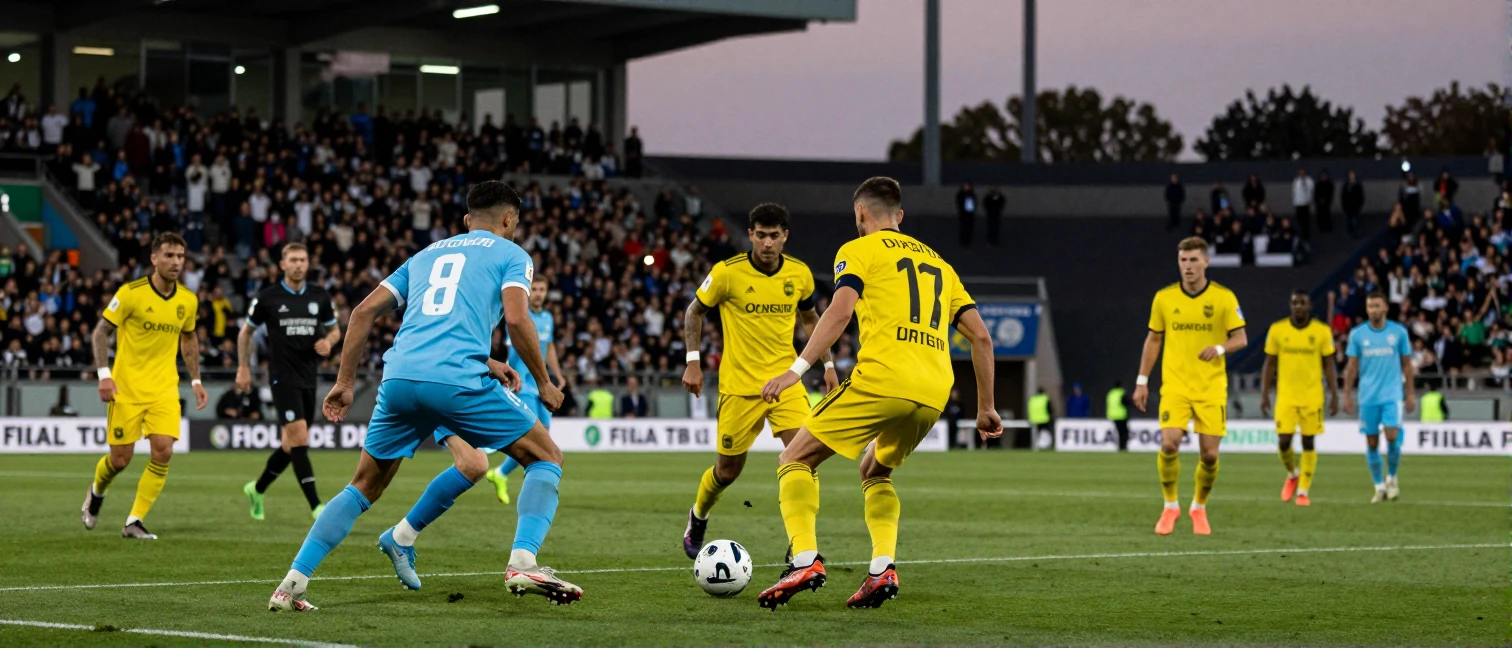

Czechia’s national team is at a crossroads. After Miroslav Koubek’s abrupt exit just three months into the job, the Football Association of the Czech Republic (FAČR) is hunting for a third coach in two years. Chairman David Trunda has already tipped the scales toward a foreign hire. „We have excellent domestic coaches, but after three in a row, we’re leaning toward a foreign solution,“ Trunda said. The team currently sits 4th in World Cup 2026’s group stage with just 1 point from 3 games (0 wins, 1 draw, 2 losses, form LDL).
Verner Lička, head of the Union of Czech Football Coaches, points to a deeper issue: „We do have good coaches, but they either don’t want the job or already have better offers.“ For him, the problem isn’t just names. „Every project needs two to three years to take shape. When we change coaches every year, we lose time and never find out if their approach actually worked,“ Lička warned. His words hit home in a country where the national team bench-and the FAČR’s board-have seen constant turnover.
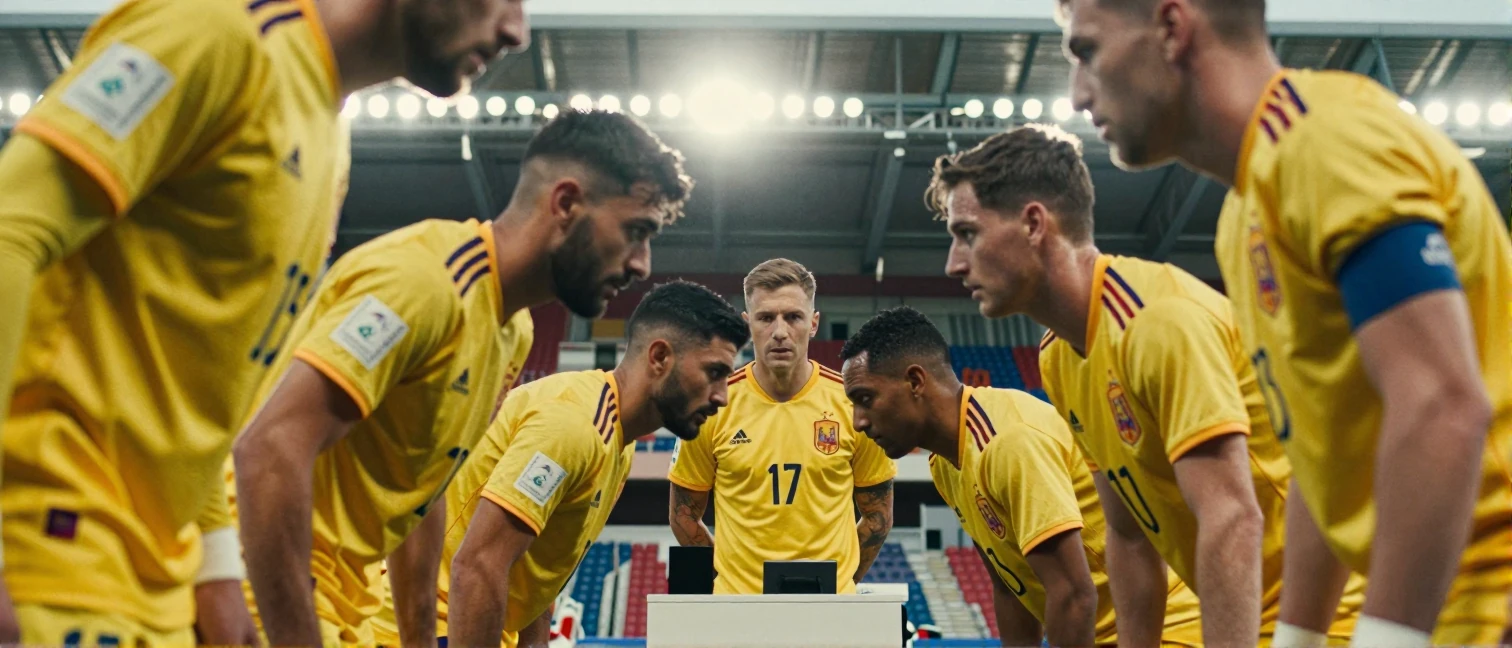
The article turns to Spain’s model, which keeps La Roja at the top of world football. The Spanish FA runs on a clear plan: tiki-taka, a possession-based style that delivered gold at the 2010 World Cup and Euro titles in 2008, 2012, and 2024. Current coach Luis de la Fuente, a symbol of consistency, climbed through Spain’s youth ranks since 2013. „I didn’t build the cathedral, I just repaint it from time to time,“ he said of his role. His mission: simplify play and boost directness-tactics that paid off even against stronger opponents.
Czechia’s national team faces another key shift. If the FAČR opts for a foreign coach, it’s a gamble. Spain’s model proves long-term thinking pays off. „Players and coaches are chosen to fit the idea, not the other way around. Then they refine it,“ writes Spanish journalist Guillem Balaque. For Czech football, that means one thing: either we commit to a systematic approach, or keep suffering short-term experiments. The last win came against San Marino 1-0 last November, but the formation and style still haven’t settled. Next up: a home clash with Croatia on 26 September 2026.