
Úvod: Historie a budoucnost českého fotbalu
Czechia má dlouhou a fascinující fotbalovou historii, která sahá až do éry bývalého Československa. Mistrovství světa 2026 se blíží a národní tým, známý jako Národní tým, se připravuje na to, aby navázal na úspěchy z minulosti. Tento článek přináší zajímavosti o českém fotbale, které ukazují na jeho historickou hodnotu a ambice v nadcházejícím turnaji.
Historický kontext: Dědictví Československa
Na mistrovství světa dosáhlo Československo významných úspěchů, když skončilo na druhém místě v letech 1934 a 1962. Tyto úspěchy zanechaly nesmazatelnou stopu na české fotbalové kultuře. Je důležité si uvědomit, že národní tým Československa byl složen z několika talentovaných hráčů, jako byli Josef Masopust, Karel Poborský a Petr Čech, kteří se stali legendami.
Důležité milníky
- 1934: Československo se dostalo do finále Mistrovství světa v Itálii.
- 1962: Další finále, tentokrát v Chile, kde se opět potkali s Brazílií.
- 1996: Česká republika získala stříbro na Mistrovství Evropy.
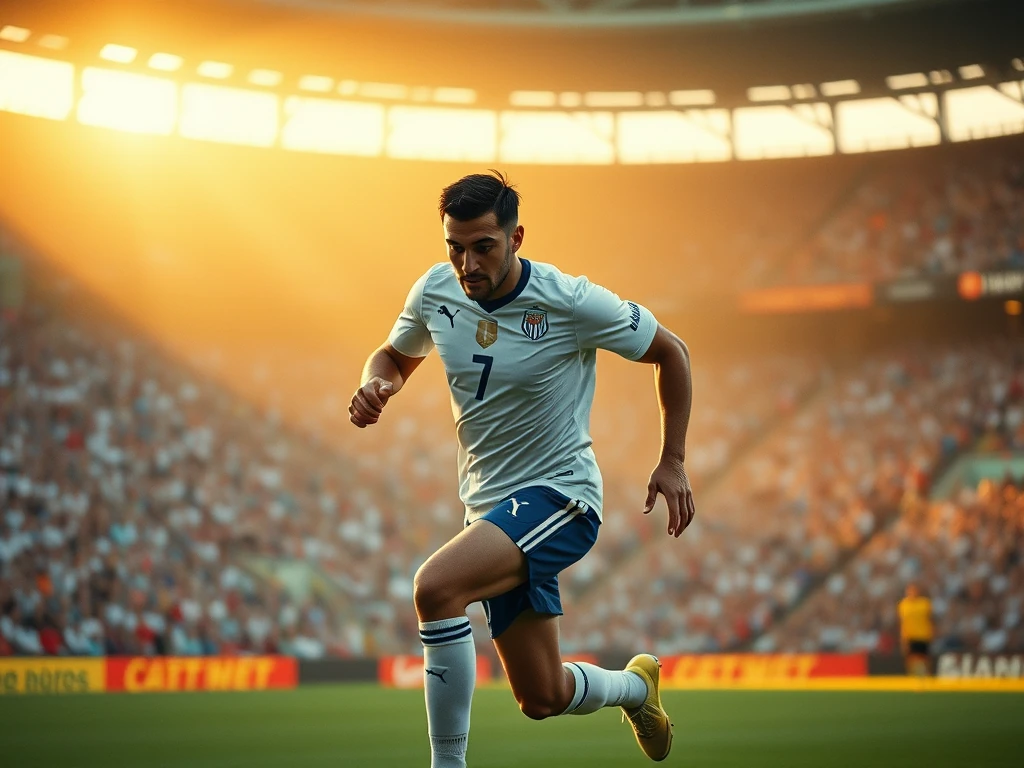
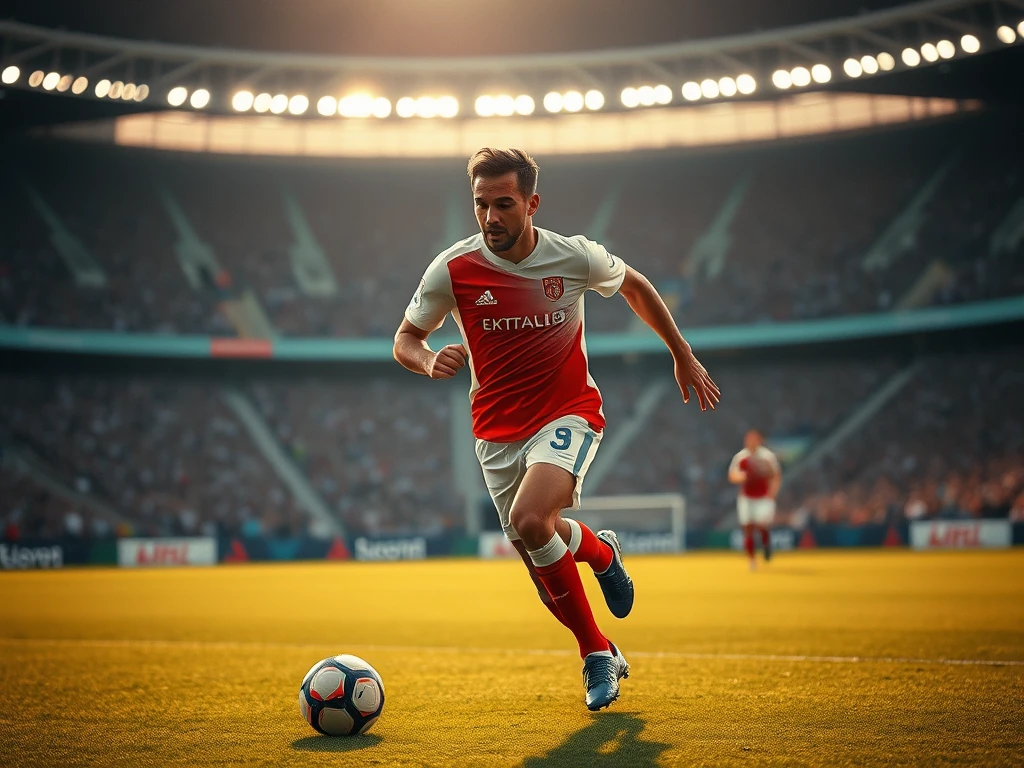
Dnes má český národní tým širokou paletu talentovaných hráčů, kteří hrají na nejvyšší úrovni v evropských ligách. Hlavními postavami jsou Tomáš Souček, hráč West Hamu, a Patrik Schick, útočník Bayeru Leverkusen. Jejich výkony v kvalifikaci na Mistrovství světa ukázaly, že tým má potenciál konkurovat i nejlepším.
Klíčoví hráči
- Tomáš Souček - Zkušený záložník s výbornými fyzickými parametry.
- Patrik Schick - Gólový útočník, který dokáže rozhodnout zápasy.
- Jakub Jankto - Ofenzivní záložník s kreativním myšlením.
Trenér a jeho filozofie
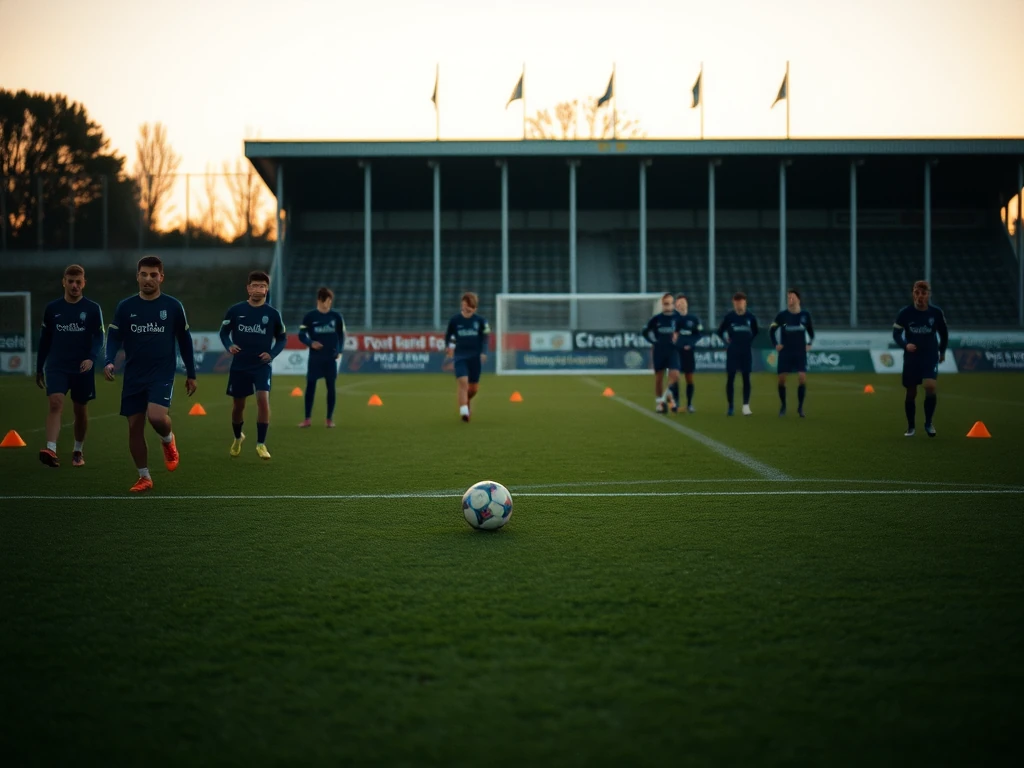
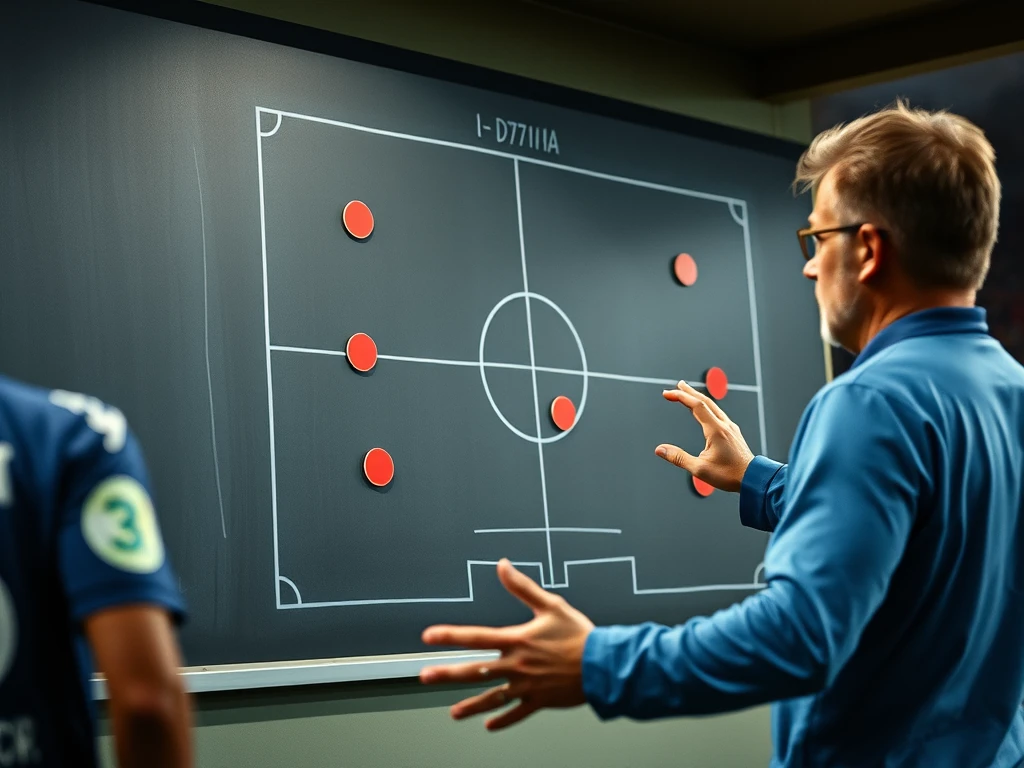
Trenér českého národního týmu, Jaroslav Šilhavý, přináší do týmu nový styl hry, který kombinuje disciplinovanou obranu s rychlými protiútoky. Jeho cílem je nejen uspět na Mistrovství světa, ale také vybudovat tým, který bude konkurenceschopný na mezinárodní scéně i v následujících letech.
Trenérské cíle
- Vybudovat silnou týmovou chemii.
- Zaměřit se na mladé talenty a jejich rozvoj.
- Zlepšit výkonnost v klíčových zápasech.
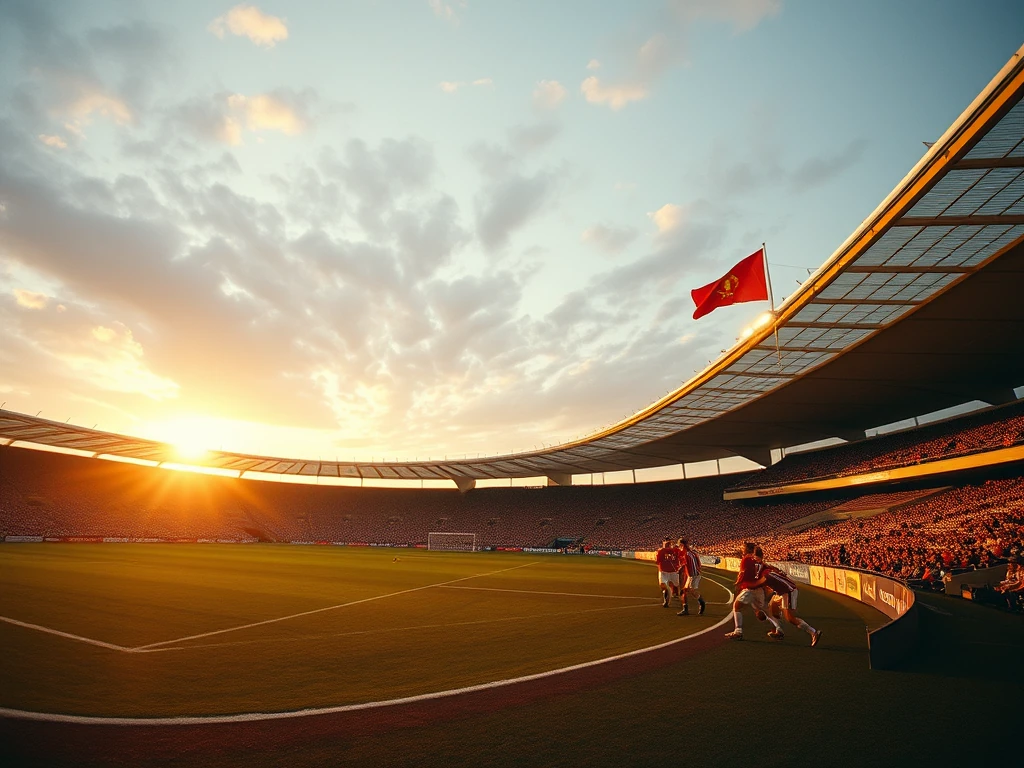
Fanoušci českého fotbalu jsou známí svou vášní a oddaností. Stadion Eden Arena v Praze je místem, kde se scházejí tisíce fanoušků, kteří podporují svůj tým. Atmosféra během domácích zápasů je elektrizující a hráči často zdůrazňují, jak moc jim fanoušci pomáhají.
Očekávání a výhled do budoucna
S blížícím se Mistrovstvím světa 2026 jsou očekávání vysoká. Český národní tým má šanci dostat se daleko, pokud udrží formu a zdraví klíčových hráčů. Kvalifikace na turnaj byla úspěšná a nyní je čas přemýšlet o tom, jak překonat výzvy, které je čekají.
Jak se Mistrovství světa 2026 blíží, český tým se bude muset soustředit na přípravu a strategii. Klíčem k úspěchu bude nejen talent jednotlivců, ale také týmová spolupráce. S nadějí v srdci a odhodláním na hřišti se český národní tým snaží napsat novou kapitolu v historii českého fotbalu.
---
Introduction: History and Future of Czech Football
Czechia has a long and fascinating football history that dates back to the era of former Czechoslovakia. As the 2026 FIFA World Cup approaches, the national team, known as the Národní tým, is preparing to build on past successes. This article presents interesting facts about Czech football that highlight its historical significance and ambitions for the upcoming tournament.
Historical Context: The Legacy of Czechoslovakia
Czechoslovakia achieved significant success at the World Cup, finishing as runners-up in both 1934 and 1962. These successes left an indelible mark on Czech football culture. It is essential to recognize that the Czechoslovak national team was made up of several talented players, such as Josef Masopust, Karel Poborský, and Petr Čech, who became legends of the sport.
Important Milestones
- 1934: Czechoslovakia reached the finals of the World Cup in Italy.
- 1962: Another final, this time in Chile, where they faced Brazil again.
- 1996: The Czech Republic won silver at the European Championship.
Today, the Czech national team features a wide array of talented players competing at the highest levels in European leagues. Key figures include Tomáš Souček, a player for West Ham, and Patrik Schick, striker for Bayer Leverkusen. Their performances during World Cup qualifiers demonstrated that the team has the potential to compete with the best.
Key Players
- Tomáš Souček - An experienced midfielder with excellent physical attributes.
- Patrik Schick - A goal-scoring forward capable of deciding matches.
- Jakub Jankto - An offensive midfielder with creative thinking.
Coach and His Philosophy
The coach of the Czech national team, Jaroslav Šilhavý, brings a new style of play that combines disciplined defense with quick counter-attacks. His goal is not only to succeed at the World Cup but also to build a team that will be competitive on the international stage for years to come.
Coaching Goals
- Build strong team chemistry.
- Focus on young talents and their development.
- Improve performance in key matches.
Czech football fans are known for their passion and dedication. The Eden Arena in Prague is where thousands of supporters gather to back their team. The atmosphere during home matches is electrifying, and players often emphasize how much fans help them.
Expectations and Future Outlook
With the 2026 World Cup approaching, expectations are high. The Czech national team has an opportunity to go far if they maintain form and the health of key players. Qualification for the tournament has been successful, and now it's time to think about overcoming the challenges that lie ahead.
As the 2026 World Cup approaches, the Czech team will need to focus on preparation and strategy. The key to success will not only be the individual talents but also teamwork. With hope in their hearts and determination on the pitch, the Czech national team aims to write a new chapter in the history of Czech football.